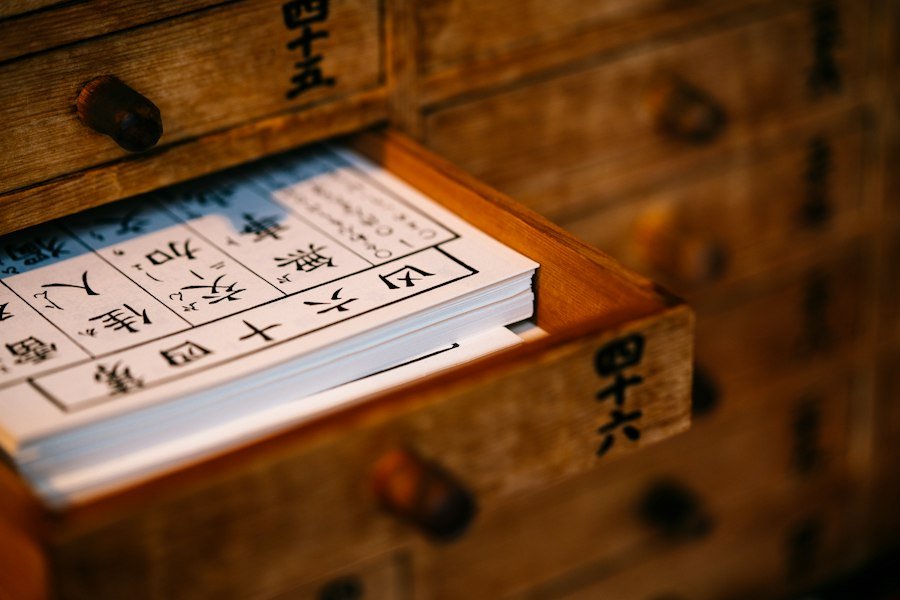
Seasonal vocabulary plays a significant role in Chinese culture, as it reflects the deep connection between the Chinese people and the changing seasons. In Chinese language and culture, each season has its own unique characteristics, traditions, and festivities. Therefore, having a good understanding of seasonal vocabulary is essential for effective communication and cultural appreciation.

The Chinese language is rich in words and phrases that describe the different seasons. These words not only convey the physical aspects of each season but also capture the emotions, activities, and traditions associated with them. For example, spring is often associated with new beginnings, growth, and renewal. Summer is a time for relaxation, outdoor activities, and enjoying the warmth of the sun. Autumn is a season of harvest, reflection, and change. Winter brings cold weather, snow, and festivities.

Key Takeaways

  • Chinese language has a rich vocabulary for each season.
  • Essential words for spring in Chinese include flowers, rain, and warmth.
  • Summer in Chinese culture is celebrated with words like beach, sun, and vacation.
  • Autumn vocabulary in Chinese culture includes harvest, moon, and chrysanthemum.
  • Winter words in Chinese language include snow, hot pot, and Spring Festival.
  • Chinese festivals are closely tied to seasonal vocabulary.
  • Seasonal Chinese words can be used in daily life to express emotions and experiences.
  • Common phrases for each season in Chinese include greetings and well wishes.
  • Learning seasonal Chinese vocabulary is useful for travel and cultural immersion.
  • Seasonal words in Chinese language hold cultural significance and reflect the values and traditions of Chinese society.

Essential Words for Spring in Chinese

Spring is a season of new beginnings and growth in Chinese culture. It is a time when nature comes alive, flowers bloom, and the weather becomes warmer. Some common words and phrases associated with spring in Chinese include 春天 (chūn tiān) which means “spring,” 开花 (kāi huā) which means “to bloom,” 温暖 (wēn nuǎn) which means “warm,” and 植物 (zhí wù) which means “plants.”

These words are used in daily life to describe the changing weather and natural scenery during springtime. For example, one might say “今天是个温暖的春天” (jīn tiān shì gè wēn nuǎn de chūn tiān), which means “Today is a warm spring day.” Another example is “花开了” (huā kāi le), which means “The flowers have bloomed.”

Celebrating Summer with Chinese Words

Summer is a season of warmth, relaxation, and outdoor activities in Chinese culture. It is a time when people enjoy the sunshine, go swimming, and have picnics. Some vocabulary related to summer activities and traditions in China include 夏天 (xià tiān) which means “summer,” 游泳 (yóu yǒng) which means “swimming,” 野餐 (yě cān) which means “picnic,” and 阳光 (yáng guāng) which means “sunshine.”

These words can be used to talk about summer experiences in Chinese. For example, one might say “我喜欢夏天的阳光” (wǒ xǐ huān xià tiān de yáng guāng), which means “I like the sunshine in summer.” Another example is “我们去游泳吧” (wǒ men qù yóu yǒng ba), which means “Let’s go swimming.”

Autumn Vocabulary in Chinese Culture

Autumn is a season of harvest, reflection, and change in Chinese culture. It is a time when the leaves change color, crops are harvested, and people prepare for the colder months ahead. Some words and phrases associated with autumn in Chinese include 秋天 (qiū tiān) which means “autumn,” 叶子 (yè zi) which means “leaves,” 收获 (shōu huò) which means “harvest,” and 变化 (biàn huà) which means “change.”

These words are often used in literature and poetry to describe the beauty and symbolism of autumn. For example, one might say “秋天的叶子变成了红色” (qiū tiān de yè zi biàn chéng le hóng sè), which means “The leaves in autumn have turned red.” Another example is “秋天是一个收获的季节” (qiū tiān shì yí gè shōu huò de jì jié), which means “Autumn is a season of harvest.”

Winter Words in Chinese Language

Winter is a season of cold weather, snow, and festivities in Chinese culture. It is a time when people gather with family and friends to celebrate holidays such as Chinese New Year. Some vocabulary related to winter weather and activities in China include 冬天 (dōng tiān) which means “winter,” 雪 (xuě) which means “snow,” 节日 (jié rì) which means “holiday,” and 火锅 (huǒ guō) which means “hot pot.”

These words can be used to talk about winter experiences in Chinese. For example, one might say “冬天下雪了” (dōng tiān xià xuě le), which means “It’s snowing in winter.” Another example is “我们一起吃火锅吧” (wǒ men yì qǐ chī huǒ guō ba), which means “Let’s eat hot pot together.”

Chinese Festivals and Seasonal Vocabulary

abcdhe 573

Chinese festivals are deeply rooted in the changing seasons and are an important part of Chinese culture. Each festival has its own unique traditions, customs, and seasonal vocabulary associated with it. Some major Chinese festivals include Spring Festival (Chinese New Year), Lantern Festival, Dragon Boat Festival, Mid-Autumn Festival, and Winter Solstice.

For example, during Spring Festival, people use words and phrases such as 春节 (chūn jié) which means “Spring Festival,” 年夜饭 (nián yè fàn) which means “New Year’s Eve dinner,” 红包 (hóng bāo) which means “red envelope,” and 爆竹 (bào zhú) which means “firecracker.” These words are used to describe the traditions and activities associated with Spring Festival.

Similarly, during Mid-Autumn Festival, people use words and phrases such as 中秋节 (zhōng qiū jié) which means “Mid-Autumn Festival,” 月饼 (yuè bǐng) which means “mooncake,” 赏月 (shǎng yuè) which means “admire the moon,” and 灯笼 (dēng lóng) which means “lantern.” These words are used to describe the traditions and activities associated with Mid-Autumn Festival.

How to Use Seasonal Chinese Words in Daily Life

Incorporating seasonal vocabulary into daily conversations can greatly enhance communication and cultural understanding. Here are some tips for using seasonal words in different contexts:

1. Weather: Use words related to the current season to describe the weather. For example, you can say “今天是个温暖的春天” (jīn tiān shì gè wēn nuǎn de chūn tiān), which means “Today is a warm spring day.”

2. Activities: Use words related to the current season to talk about activities and experiences. For example, you can say “我们去游泳吧” (wǒ men qù yóu yǒng ba), which means “Let’s go swimming.”

3. Festivals: Use words related to the current festival to talk about traditions and celebrations. For example, you can say “我喜欢吃月饼” (wǒ xǐ huān chī yuè bǐng), which means “I like to eat mooncakes.”

4. Poetry and literature: Use seasonal words to add depth and beauty to your language. For example, you can say “秋天的叶子变成了红色” (qiū tiān de yè zi biàn chéng le hóng sè), which means “The leaves in autumn have turned red.”

Common Phrases for Each Season in Chinese

Here is a list of common phrases for each season in Chinese:

1. Spring:
– 春天来了 (chūn tiān lái le) – Spring is here.
– 花开了 (huā kāi le) – The flowers have bloomed.
– 温暖的春风 (wēn nuǎn de chūn fēng) – Warm spring breeze.

2. Summer:
– 夏天到了 (xià tiān dào le) – Summer has arrived.
– 游泳是夏天的活动 (yóu yǒng shì xià tiān de huó dòng) – Swimming is a summer activity.
– 烈日炎炎 (liè rì yán yán) – Scorching hot sun.

3. Autumn:
– 秋天来了 (qiū tiān lái le) – Autumn is here.
– 叶子变黄了 (yè zi biàn huáng le) – The leaves have turned yellow.
– 金风送爽 (jīn fēng sòng shuǎng) – Cool autumn breeze.

4. Winter:
– 冬天到了 (dōng tiān dào le) – Winter has arrived.
– 下雪了 (xià xuě le) – It’s snowing.
– 寒冷的冬天 (hán lěng de dōng tiān) – Cold winter.

Learning Seasonal Chinese Vocabulary for Travel

Learning seasonal vocabulary is especially important for travelers to China, as it allows them to better understand and appreciate the local culture. Here are some tips for learning and using seasonal words while traveling:

1. Study before your trip: Take the time to learn basic seasonal vocabulary before your trip. This will help you navigate conversations and understand signs and advertisements related to the current season.

2. Use language apps: Utilize language learning apps that offer seasonal vocabulary lessons. These apps often provide audio recordings and example sentences to help you practice and reinforce your understanding.

3. Engage with locals: Interact with locals and ask them about their favorite seasonal activities and traditions. This will not only help you learn new words but also provide insights into the local culture.

4. Attend festivals: Participate in local festivals and observe the traditions and activities associated with each season. This will give you a firsthand experience of how seasonal vocabulary is used in context.

Cultural Significance of Seasonal Words in Chinese Language

Seasonal words in the Chinese language hold great cultural significance as they reflect Chinese values, beliefs, and traditions. For example, the emphasis on new beginnings and growth in spring reflects the importance of renewal and optimism in Chinese culture. The celebration of warmth, relaxation, and outdoor activities in summer reflects the value placed on leisure and harmony with nature.

The focus on harvest, reflection, and change in autumn reflects the Chinese belief in the cyclical nature of life and the importance of balance. The celebration of family, festivities, and warmth in winter reflects the value placed on community, togetherness, and resilience in the face of adversity.

In addition to reflecting Chinese values and beliefs, seasonal words also play a role in preserving and passing down cultural traditions. They are often used in poetry, literature, and festival celebrations to evoke emotions, create imagery, and convey cultural heritage.

In conclusion, seasonal vocabulary is an integral part of Chinese language and culture. It reflects the deep connection between the Chinese people and the changing seasons, as well as their values, beliefs, and traditions. By learning and using seasonal words, one can better understand and appreciate Chinese culture while enhancing communication and cultural understanding.

Small talk is a universal social phenomenon that serves as an icebreaker and a way to establish connections with others. In Chinese culture, small talk holds a significant place and plays a crucial role in building relationships and showing respect. It is an essential part of daily interactions and is used to establish rapport, create a friendly atmosphere, and demonstrate politeness. Understanding the importance of small talk in Chinese culture is essential for anyone looking to engage in meaningful conversations and build connections with Chinese people.

Key Takeaways

  • Small talk is an important part of Chinese culture and can help build relationships.
  • Common greetings and pleasantries in Chinese include “nǐ hǎo” (hello) and “nǐ chī le ma?” (have you eaten?).
  • Asking about someone’s day in Chinese can be done with “nǐ jīntiān zěnmeyàng?” (how was your day today?).
  • Talking about the weather in Chinese can be a good conversation starter with “jīntiān tiānqì zěnmeyàng?” (how’s the weather today?).
  • Complimenting someone in Chinese can be done with phrases like “nǐ zhēn piàoliang” (you’re really beautiful/handsome).

The Importance of Small Talk in Chinese Culture

In Chinese culture, small talk is not merely a casual conversation; it is a way to show respect and build relationships. Chinese people value harmony and collectivism, and small talk helps to establish a harmonious atmosphere by creating a sense of familiarity and friendliness. It allows individuals to connect on a personal level before delving into more serious topics.

Compared to some Western cultures where small talk may be seen as superficial or unnecessary, small talk in Chinese culture is highly valued and considered an essential part of social interactions. It is seen as a way to show respect for others by expressing interest in their lives and well-being. By engaging in small talk, individuals demonstrate their willingness to invest time and effort into building relationships.

Common Greetings and Pleasantries in Chinese

When engaging in small talk in Chinese, it is important to start with common greetings and pleasantries. The most common greeting is “nǐ hǎo,” which means “hello” or “how are you.” This simple greeting sets the tone for the conversation and shows respect for the other person.

Another common pleasantry is asking “nǐ chī le ma?” which means “have you eaten?” This may seem like an odd question in other cultures, but in Chinese culture, it is a way of expressing concern for someone’s well-being. It is a traditional way of showing care and hospitality, as food holds a special place in Chinese culture.

In Chinese small talk, it is important to use proper titles and honorifics to show respect. For example, addressing someone as “xiānsheng” for a man or “nǚshì” for a woman is a polite way to address someone. Using the appropriate titles and honorifics demonstrates respect and helps to establish a positive rapport.

Asking About Someone’s Day in Chinese

Asking about someone’s day is a common small talk topic in Chinese culture. To ask about someone’s day, you can say “nǐ jīntiān zěnmeyàng?” which means “how was your day today?” This question shows genuine interest in the other person’s well-being and allows them to share their experiences.

When someone asks about your day in Chinese, it is polite to respond with a positive answer, even if you had a challenging day. You can say “hěn hǎo” which means “very good” or “bùcuò” which means “not bad.” It is also common to provide some details about your day, such as mentioning any interesting events or activities.

To continue the conversation, you can ask follow-up questions based on the person’s response. For example, if they mention that they had a busy day at work, you can ask about their job or inquire about specific tasks they were working on. This shows genuine interest and helps to keep the conversation flowing.

Talking About the Weather in Chinese

Talking about the weather is a common small talk topic in many cultures, and it is no different in Chinese culture. The weather serves as a neutral and safe topic that can be used as a conversation starter. In Chinese, you can say “jīntiān tiānqì hěn hǎo” which means “the weather is nice today.”

Discussing the weather allows individuals to find common ground and establish a connection. It is a topic that everyone can relate to, and it provides an opportunity to share experiences and opinions. For example, if it is raining, you can express your dislike for rainy days or share a fond memory of playing in the rain as a child.

In Chinese culture, it is important to be mindful of the tone and context when discussing the weather. While it is acceptable to express personal preferences or share experiences, it is best to avoid negative or complaining remarks. Instead, focus on finding common ground and creating a positive atmosphere.

Complimenting Someone in Chinese

abcdhe 563

Giving compliments is another important aspect of small talk in Chinese culture. Compliments are a way to show appreciation and admiration for someone’s appearance, skills, or achievements. When giving a compliment in Chinese, you can say “nǐ de yīfu hěn piàoliang” which means “your clothes are beautiful.”

When receiving a compliment in Chinese culture, it is customary to respond with modesty and humility. Instead of accepting the compliment directly, you can respond with phrases like “nǎlǐ nǎlǐ” which means “not at all” or “guìdé” which means “too kind.” This shows humility and avoids coming across as arrogant or boastful.

It is important to note that compliments should be genuine and sincere in Chinese culture. Empty or insincere compliments may be seen as flattery or insincerity. When giving a compliment, make sure it is specific and heartfelt, focusing on something that you genuinely appreciate about the other person.

Sharing Hobbies and Interests in Chinese

Discussing hobbies and interests is a great way to build connections and establish common ground in Chinese small talk. To ask about someone’s hobbies or interests, you can say “nǐ xǐhuān zuò shénme?” which means “what do you like to do?”

Sharing hobbies and interests allows individuals to find common ground and engage in meaningful conversations. It provides an opportunity to learn more about each other’s passions and experiences. For example, if someone mentions that they enjoy playing sports, you can ask about their favorite sport or inquire about their experiences playing.

In Chinese culture, it is important to show genuine interest and respect when discussing hobbies and interests. Even if you are not familiar with a particular hobby, it is polite to ask questions and listen attentively. This shows respect for the other person’s interests and helps to establish a positive rapport.

Discussing Food and Drink in Chinese

Food and drink are important topics in Chinese culture, and discussing them is a common small talk practice. To ask about someone’s food preferences, you can say “nǐ xǐhuān chī shénme?” which means “what do you like to eat?”

Food holds a special place in Chinese culture, and discussing it allows individuals to bond over shared culinary experiences. It provides an opportunity to share recommendations, recipes, and stories related to food. For example, if someone mentions that they enjoy spicy food, you can ask about their favorite spicy dishes or share your own experiences with spicy cuisine.

When discussing food and drink in Chinese culture, it is important to show respect and appreciation. Chinese people take pride in their culinary traditions, and expressing interest in their food culture is seen as a sign of respect. Avoid making negative or judgmental remarks about unfamiliar foods and instead focus on learning and appreciating the diversity of Chinese cuisine.

Navigating Small Talk in Business Settings in Chinese

Small talk is not limited to social settings; it also plays a crucial role in Chinese business culture. In Chinese business settings, small talk is used to establish rapport, build trust, and show respect. It is an essential part of relationship-building and can greatly influence the success of business interactions.

When engaging in small talk in a business setting, it is important to be mindful of cultural differences and customs. Topics such as family, hobbies, and travel are generally safe and can help establish a friendly atmosphere. However, it is best to avoid sensitive topics such as politics or religion, as they can be divisive and may hinder the development of a positive relationship.

When engaging in small talk with business partners in Chinese culture, it is important to show respect and humility. Avoid dominating the conversation or boasting about achievements. Instead, focus on listening attentively and showing genuine interest in the other person’s experiences and perspectives.

Tips for Improving Your Chinese Small Talk Skills

Improving your Chinese small talk skills takes practice and effort. Here are some practical tips to help you enhance your conversational abilities:

1. Practice with native speakers: Engaging in conversations with native Chinese speakers is the best way to improve your small talk skills. It allows you to learn from their language use, pronunciation, and cultural nuances.

2. Learn common phrases and idioms: Familiarize yourself with common small talk phrases and idioms in Chinese. This will help you navigate conversations more smoothly and demonstrate your understanding of the language and culture.

3. Listen to Chinese media: Listening to Chinese music, podcasts, or watching Chinese movies or TV shows can help you improve your listening skills and expose you to different conversational styles.

4. Read books or articles about Chinese culture: Learning about Chinese culture will give you valuable insights into the customs, traditions, and social norms that shape small talk interactions.

5. Be patient and persistent: Learning a new language takes time and effort. Be patient with yourself and continue practicing regularly. The more you engage in small talk in Chinese, the more comfortable and confident you will become.

In conclusion, small talk plays a significant role in Chinese culture and is a crucial aspect of building relationships and showing respect. By understanding the importance of small talk and practicing your conversational skills, you can engage in meaningful conversations and establish connections with Chinese people. Remember to be respectful, show genuine interest, and be mindful of cultural differences. With time and practice, you will become more proficient in Chinese small talk and develop a deeper understanding of Chinese culture.

When it comes to traveling to a foreign country, one of the most valuable skills you can have is the ability to communicate with the locals. This is especially true when visiting a country like China, where English is not widely spoken. Learning some basic Chinese phrases and expressions can go a long way in making your trip more enjoyable and rewarding.

Chinese is one of the most widely spoken languages in the world, with over 1.3 billion native speakers. It is the official language of China and is also spoken in other countries such as Taiwan, Singapore, and Malaysia. The Chinese language is known for its unique writing system, which uses characters instead of an alphabet. While learning to read and write Chinese characters can be challenging, learning to speak basic conversational Chinese is relatively easier.

Key Takeaways

  • Learning basic Chinese phrases can greatly enhance your travel experience in China.
  • Greetings and expressions like “ni hao” and “xie xie” are essential for polite interactions with locals.
  • Asking for directions in Chinese can help you navigate the city more easily.
  • Knowing how to order food and drinks in Chinese can make dining out a more enjoyable experience.
  • Shopping in Chinese markets can be a fun and unique cultural experience, but bargaining is expected.

Basic Greetings and Expressions

One of the first things you should learn when studying Chinese for travel is basic greetings and expressions. These phrases will help you navigate everyday interactions and make a good impression on the locals. Some common greetings include “nǐ hǎo” (hello), “xiè xiè” (thank you), and “zài jiàn” (goodbye).

Pronunciation in Chinese can be tricky for English speakers, as it involves different tones and sounds. For example, the word “nǐ hǎo” has a rising tone on the first syllable and a falling tone on the second syllable. It’s important to practice these tones to ensure that you are understood correctly.

Asking for Directions in Chinese

Getting around in a foreign country can be challenging, but knowing how to ask for directions in Chinese can make it much easier. Some useful vocabulary for asking directions includes “nǎ lǐ” (where), “zuǒ” (left), “yòu” (right), and “qián miàn” (in front).

Understanding directions in Chinese can be a bit tricky, as it often involves landmarks and specific locations. It’s helpful to have a map or a navigation app on your phone to follow along. Additionally, don’t be afraid to ask for clarification if you don’t understand something. The locals are usually friendly and willing to help.

Ordering Food and Drinks in Chinese

One of the highlights of traveling to China is trying the delicious local cuisine. Knowing how to order food and drinks in Chinese will not only enhance your dining experience but also make it easier to communicate with the waitstaff. Some useful vocabulary for ordering food and drinks includes “cài” (dish), “mǐ fàn” (rice), “pí jiǔ” (beer), and “kā fēi” (coffee).

Reading a Chinese menu can be intimidating at first, as it is often written in characters instead of pinyin (the romanized version of Chinese). However, many restaurants now provide English translations or picture menus for tourists. If you’re feeling adventurous, you can also try using translation apps or asking the waitstaff for recommendations.

Shopping in Chinese Markets

China is known for its bustling markets, where you can find everything from souvenirs to clothing to electronics. Knowing some basic vocabulary for shopping in Chinese markets will help you navigate the crowded stalls and negotiate prices. Some useful phrases include “duō shǎo qián” (how much), “piányi yī diǎn” (a little cheaper), and “wǒ yào zhè ge” (I want this one).

Bargaining is a common practice in Chinese markets, so don’t be afraid to negotiate the price. Start by offering a lower price than what is initially quoted and be prepared to walk away if the vendor doesn’t agree. Remember to be polite and respectful during the bargaining process.

Numbers and Currency in Chinese

abcdhe 545

Knowing how to count and understand currency in Chinese is essential for everyday transactions. Some useful vocabulary for numbers and currency includes “yī” (one), “èr” (two), “wǔ” (five), “shí” (ten), “qián” (money), and “yuán” (Chinese currency).

Counting in Chinese is relatively straightforward, as it follows a simple pattern. For example, to say 21, you would say “èr shí yī” (two ten one). It’s helpful to practice counting in Chinese to ensure that you can understand prices and make accurate transactions.

Emergency Phrases in Chinese

While we hope that you never have to use them, knowing some emergency phrases in Chinese can be a lifesaver in unexpected situations. Some useful vocabulary for emergency situations includes “bāng zhù” (help), “yī yuàn” (hospital), “jǐng chá” (police), and “wǒ shī lì le” (I lost my way).

If you find yourself in an emergency situation, try to remain calm and seek help from the locals or authorities. It’s also a good idea to have important phone numbers, such as the local police or embassy, saved in your phone.

Making Small Talk in Chinese

Making small talk with the locals can be a great way to immerse yourself in the local culture and make new friends. Some useful vocabulary for making small talk includes “nǐ jiào shén me míng zì” (what’s your name), “nǐ cóng nǎ lǐ lái” (where are you from), and “nǐ xǐ huān zuò shén me” (what do you like to do).

It’s important to keep in mind that small talk in China may be different from what you’re used to. Personal questions about age, income, or relationship status are considered impolite, so it’s best to stick to more general topics such as travel, food, or hobbies.

Transportation Phrases in Chinese

Getting around in China can be an adventure in itself, but knowing some basic transportation phrases can make it much easier. Some useful vocabulary for transportation includes “chē” (car), “huǒ chē” (train), “jī chǎng” (airport), and “zhàn” (station).

Navigating public transportation in China can be a bit overwhelming, especially in big cities like Beijing or Shanghai. It’s helpful to have a map or a navigation app on your phone to find your way around. Additionally, be prepared for crowded buses and trains, especially during peak hours.

Cultural Tips for Traveling in China

When traveling to a foreign country, it’s important to be aware of the local customs and etiquette. China has a rich cultural heritage, and understanding and respecting their customs will help you have a more enjoyable and respectful trip. Some cultural tips for traveling in China include:

– Greetings: When meeting someone for the first time, it’s customary to shake hands and say “nǐ hǎo.” However, physical contact is not as common among friends or acquaintances.

– Dining etiquette: When dining with others, it’s polite to wait for the host to start eating before you begin. It’s also customary to leave a little bit of food on your plate to show that you are full.

– Gift-giving: If you are invited to someone’s home or if someone does you a favor, it’s customary to bring a small gift as a token of appreciation. Popular gifts include tea, fruit, or small souvenirs from your home country.

– Respect for elders: In Chinese culture, respect for elders is highly valued. It’s important to address older people with proper titles and show deference in your interactions.
Learning Chinese for travelers is a valuable skill that can greatly enhance your travel experience in China. By knowing basic greetings and expressions, asking for directions, ordering food and drinks, shopping in markets, understanding numbers and currency, knowing emergency phrases, making small talk, navigating transportation, and being aware of cultural customs, you will be able to communicate effectively and respectfully with the locals. So, don’t be afraid to dive into learning Chinese before your trip to China. It will not only make your trip more enjoyable but also show the locals that you have taken the time and effort to learn their language and culture.

Chinese news plays a significant role in the global context, as China is one of the world’s largest economies and a major player in international affairs. Understanding Chinese news is crucial for businesses, policymakers, and individuals alike, as it provides insights into the political, economic, and social developments in China. With its growing influence on the global stage, China’s actions and policies have far-reaching implications that can impact various sectors and countries around the world. Therefore, keeping abreast of Chinese news is essential for anyone seeking to navigate the complexities of today’s interconnected world.

Key Takeaways

  • Chinese news is important for understanding global affairs and the perspective of the world’s most populous country.
  • Key terms like “propaganda” and “censorship” are crucial for understanding the role of Chinese media in society.
  • Chinese news outlets have evolved over time, from state-controlled newspapers to a mix of state and private media.
  • Chinese news has a significant impact on global affairs, particularly in areas like trade and diplomacy.
  • Reporting on Chinese news can be challenging due to government restrictions and censorship.

Key Terms for Understanding Chinese News

To fully comprehend Chinese news, it is important to familiarize oneself with commonly used terms in Chinese media. For instance, “harmonious society” is a term often used in Chinese news to describe the government’s goal of achieving social stability and economic development. Another term frequently mentioned is “One Belt, One Road,” which refers to China’s ambitious infrastructure project aimed at enhancing connectivity and trade between Asia, Europe, and Africa.

These terms are not only used in news reporting but also reflect the priorities and policies of the Chinese government. By understanding these key terms, readers can gain a deeper understanding of the underlying motivations and objectives behind Chinese news stories.

The Role of Chinese Media in Society

The role of media in Chinese society differs significantly from that in Western countries. In China, media outlets are primarily seen as tools for disseminating government propaganda and promoting the Communist Party’s agenda. The media is expected to uphold socialist values and maintain social stability by avoiding sensitive topics or critical reporting.

This stands in stark contrast to media in Western democracies, where freedom of the press is valued and journalists are encouraged to hold those in power accountable. While there are independent media outlets in China that strive to provide objective reporting, they often face censorship and restrictions that limit their ability to operate freely.

The History of Chinese News and Its Evolution

The history of Chinese news can be traced back thousands of years, with the invention of woodblock printing during the Tang Dynasty in the 7th century. However, it was not until the late 19th century that modern journalism began to emerge in China, with the establishment of newspapers and magazines.

During the early 20th century, Chinese news played a crucial role in shaping public opinion and mobilizing support for political movements. However, with the rise of the Communist Party in 1949, media became tightly controlled by the state, and news outlets were used as propaganda tools to promote the party’s ideology.

In recent years, there has been a shift towards more commercialized and market-driven media in China. However, the government still maintains a tight grip on news reporting, with strict censorship and regulations in place to ensure that media outlets align with the party’s interests.

The Impact of Chinese News on Global Affairs

Chinese news has a significant impact on global affairs due to China’s growing economic and political influence. As one of the world’s largest economies, China’s policies and actions can have far-reaching implications for other countries. For example, news about China’s trade policies or economic growth can affect global markets and trade relations.

Furthermore, Chinese news plays a crucial role in shaping international perceptions of China. The narratives presented in Chinese media can influence how other countries view China’s actions and policies. This can have implications for diplomatic relations, as well as public opinion towards China.

The Different Types of Chinese News Outlets

abcdhe 536

In China, there are various types of news outlets, ranging from state-run media to independent media. State-run media, such as Xinhua News Agency and People’s Daily, are directly controlled by the government and serve as official mouthpieces for the Communist Party. These outlets are responsible for disseminating government propaganda and promoting the party’s agenda.

On the other hand, there are independent media outlets in China that strive to provide objective reporting and hold those in power accountable. However, these outlets often face censorship and restrictions that limit their ability to operate freely. Despite these challenges, independent media plays a crucial role in providing alternative perspectives and fostering public discourse in China.

The Challenges of Reporting on Chinese News

Reporting on Chinese news comes with numerous challenges, particularly for journalists operating within China. The Chinese government exercises strict control over the media, with censorship and regulations in place to ensure that news reporting aligns with the party’s interests. Journalists face pressure to self-censor and avoid sensitive topics that could be deemed as critical of the government.

Furthermore, foreign journalists operating in China often face restrictions and surveillance, making it difficult to report freely and independently. This can lead to a lack of transparency and accountability in Chinese news reporting, as journalists are unable to fully investigate and report on important issues.

The Influence of the Chinese Government on News

The Chinese government exerts significant influence over news reporting in China. State-run media outlets are directly controlled by the government and are expected to promote the Communist Party’s agenda. Journalists working for these outlets are often members of the party and are expected to adhere to strict guidelines and censorship regulations.

This influence can impact the accuracy and objectivity of news reporting, as journalists may be pressured to present a certain narrative or omit certain information that could be deemed sensitive or critical of the government. As a result, Chinese news can sometimes be biased or lack critical analysis.

The Role of Social Media in Chinese News

Social media has become an increasingly important platform for news consumption in China. Platforms such as WeChat and Weibo have millions of users who rely on them for news updates and discussions. However, social media in China is heavily monitored and censored by the government.

While social media provides a space for alternative voices and citizen journalism, the Chinese government has implemented strict regulations to control the flow of information and prevent the spread of dissenting views. This has led to the rise of “50 Cent Army,” a group of internet users who are paid by the government to post pro-government comments and counter dissenting opinions.

The Future of Chinese News and Its Importance for the World

The future of Chinese news is likely to be shaped by ongoing technological advancements and the Chinese government’s efforts to control information flow. As China continues to grow in influence, understanding Chinese news will become increasingly important for businesses, policymakers, and individuals around the world.

China’s actions and policies have far-reaching implications that can impact various sectors and countries. Therefore, keeping abreast of Chinese news is essential for anyone seeking to navigate the complexities of today’s interconnected world. By understanding Chinese news, individuals and organizations can make informed decisions and better understand China’s role in global affairs.

In conclusion, understanding Chinese news is crucial in today’s globalized world. China’s growing economic and political influence means that its actions and policies have far-reaching implications for various sectors and countries. By staying informed about Chinese news, businesses, policymakers, and individuals can make informed decisions and better understand China’s role in global affairs. Despite the challenges faced by journalists reporting on Chinese news, it is essential to strive for accurate and objective reporting to ensure a well-informed public discourse. As China continues to evolve, so too will its news landscape, making it all the more important to stay engaged with Chinese news in the future.

Pronouns and prepositions are essential components of any language, including Chinese. Pronouns are words that replace nouns in a sentence, while prepositions are words that show the relationship between a noun or pronoun and other words in a sentence. Learning Chinese pronouns and prepositions is crucial for effective communication in the language.

Key Takeaways

  • Chinese pronouns and prepositions are important elements of the language that help convey meaning and context.
  • Understanding the usage of Chinese pronouns and prepositions is crucial for effective communication in the language.
  • Common Chinese pronouns include wo (I), ni (you), ta (he/she/it), and tamen (they), each with their own usage rules.
  • Chinese prepositions can be categorized into directional, locational, and temporal types, and are used to indicate relationships between objects and actions.
  • To use prepositions in Chinese sentences, it is important to pay attention to word order and the correct preposition to use for the intended meaning.

Understanding the Importance of Pronouns and Prepositions in Chinese

In Chinese, pronouns play a significant role in communication as they help avoid repetition and make sentences more concise. Using the correct pronouns is essential for clear and effective communication. Prepositions, on the other hand, help indicate location, time, direction, and other relationships between words in a sentence. Using the correct prepositions is crucial for conveying accurate meaning in Chinese.

Common Chinese Pronouns and Their Usage

There are several common pronouns used in Chinese, each with its own usage and context. The most common pronouns include “我” (wǒ) meaning “I” or “me,” “你” (nǐ) meaning “you,” “他/她/它” (tā) meaning “he/she/it,” and “我们” (wǒmen) meaning “we” or “us.” These pronouns are used in various contexts depending on the subject of the sentence.

For example, when referring to oneself, one would use the pronoun “我” (wǒ). When addressing someone else, the pronoun “你” (nǐ) is used. The pronoun “他/她/它” (tā) is used to refer to a third person singular subject, depending on whether the subject is male, female, or non-living. The pronoun “我们” (wǒmen) is used to refer to a group of people, indicating the plural form of “we” or “us.”

Different Types of Prepositions in Chinese

Chinese prepositions can be categorized into several types, including location prepositions, time prepositions, direction prepositions, and manner prepositions. Location prepositions indicate the position or place of an object, such as “在” (zài) meaning “at” or “in.” Time prepositions indicate the time or duration of an action, such as “在…之前” (zà..zhīqián) meaning “before.” Direction prepositions indicate the direction of movement, such as “向” (xiàng) meaning “towards.” Manner prepositions indicate the way or manner in which something is done, such as “用” (yòng) meaning “with” or “by.”

How to Use Prepositions in Chinese Sentences

To use prepositions in Chinese sentences, it is important to understand the relationship between the preposition and the other words in the sentence. The preposition is usually placed before the noun or pronoun it modifies. For example, in the sentence “我在学校” (wǒ zài xuéxiào), meaning “I am at school,” the preposition “在” (zài) is placed before the noun “学校” (xuéxiào) to indicate the location.

Prepositions can also change the meaning of a sentence. For example, in the sentence “他走向我” (tā zǒu xiàng wǒ), meaning “He walks towards me,” the preposition “向” (xiàng) changes the direction of movement from away to towards.

Common Prepositions Used in Chinese Phrases

abcdhe 530

There are several common Chinese phrases that use prepositions to convey specific meanings. For example, the phrase “对不起” (duìbùqǐ) means “I’m sorry” or “excuse me,” with the preposition “对” (duì) indicating the action of apologizing or seeking forgiveness. Another example is the phrase “因为…所以…” (yīnwè..suǒyǐ) meaning “because…so,” with the prepositions “因为” (yīnwèi) and “所以” (suǒyǐ) indicating the cause and effect relationship between two clauses.

Pronoun and Preposition Usage in Chinese Grammar

Pronouns and prepositions are essential components of Chinese grammar. They are used to indicate the subject, object, or possession in a sentence. For example, in the sentence “我喜欢这本书” (wǒ xǐhuān zhè běn shū), meaning “I like this book,” the pronoun “我” (wǒ) indicates the subject, while the preposition “这” (zhè) indicates possession.

It is important to use pronouns and prepositions correctly in Chinese sentences to ensure grammatical accuracy and clarity. Using the wrong pronoun or preposition can lead to confusion or misunderstanding.

Tips for Mastering Chinese Pronouns and Prepositions

To improve your Chinese pronoun and preposition usage, it is important to practice regularly and immerse yourself in the language. Here are some tips to help you master Chinese pronouns and prepositions:

1. Practice speaking and listening: Engage in conversations with native speakers or language exchange partners to practice using pronouns and prepositions in real-life situations. Listen to Chinese podcasts or watch Chinese movies or TV shows to improve your listening skills.

2. Read extensively: Read books, articles, and other materials in Chinese to expose yourself to different sentence structures and usage of pronouns and prepositions. Pay attention to how they are used in context.

3. Use language learning resources: Utilize language learning resources such as textbooks, online courses, and language apps that provide explanations and exercises specifically for pronouns and prepositions.

4. Seek feedback: Ask native speakers or language teachers to provide feedback on your usage of pronouns and prepositions. This will help you identify any mistakes or areas for improvement.

Common Mistakes to Avoid When Using Chinese Pronouns and Prepositions

When using Chinese pronouns and prepositions, there are some common mistakes that learners often make. Here are a few examples:

1. Using the wrong pronoun: It is important to use the correct pronoun based on the subject or object of the sentence. Using the wrong pronoun can lead to confusion or misunderstanding.

2. Incorrect placement of prepositions: Prepositions should be placed before the noun or pronoun they modify. Placing them in the wrong position can change the meaning of the sentence or make it grammatically incorrect.

3. Confusing similar prepositions: Chinese has several prepositions that may have similar meanings but are used in different contexts. It is important to understand the subtle differences between these prepositions to use them correctly.

Resources for Learning Chinese Pronouns and Prepositions

There are several resources available for learning Chinese pronouns and prepositions. Here are some recommendations:

1. Textbooks: “Integrated Chinese” by Cheng & Tsui is a popular textbook series that covers all aspects of Chinese language learning, including pronouns and prepositions.

2. Websites: Websites such as FluentU, Duolingo, and ChinesePod offer interactive lessons and exercises specifically for learning Chinese pronouns and prepositions.

3. Apps: Language learning apps like HelloChinese, Pleco, and Tandem provide lessons, flashcards, and practice exercises for improving Chinese language skills, including pronouns and prepositions.
Learning Chinese pronouns and prepositions is essential for effective communication in the language. Pronouns help avoid repetition and make sentences more concise, while prepositions indicate relationships between words in a sentence. By understanding the usage and context of pronouns and prepositions, learners can improve their Chinese language skills and communicate more accurately. With regular practice and the use of resources, mastering Chinese pronouns and prepositions is achievable. So, keep practicing and improving your Chinese language skills to become a proficient communicator.

Writing emails and letters in Chinese is an important skill to have, whether you are communicating with friends, colleagues, or business partners. Not only does it allow you to connect with Chinese speakers on a deeper level, but it also opens up opportunities for personal and professional growth. In this blog post, we will explore the benefits of learning how to write in Chinese, as well as provide an overview of the topics that will be covered.

Learning how to write in Chinese can be incredibly beneficial for a number of reasons. Firstly, it allows you to communicate more effectively with Chinese speakers, which can help build stronger relationships and connections. Additionally, being able to write in Chinese opens up a world of opportunities for personal and professional growth. Whether you are interested in studying or working in China, or simply want to expand your cultural horizons, having the ability to write in Chinese will give you a competitive edge.

In this blog post, we will cover various aspects of writing emails and letters in Chinese. We will start by understanding the Chinese writing system, including the history of the writing system, an introduction to Chinese characters (hanzi), basic strokes and radicals, as well as pinyin and pronunciation. We will then move on to common greetings and salutations in Chinese emails and letters, discussing formal and informal greetings, common phrases for opening and closing emails and letters, as well as the appropriate use of titles and honorifics. Next, we will explore the basic structure of a Chinese email or letter, the importance of clear and concise writing, as well as tips for organizing your thoughts and ideas. We will also provide tips for writing clear and concise Chinese emails and letters, including avoiding unnecessary words and phrases, using appropriate vocabulary and grammar, as well as proofreading and editing your writing. Furthermore, we will discuss the differences between formal and informal language in Chinese emails and letters, when to use formal or informal language, as well as provide examples of formal and informal language in emails and letters. Additionally, we will provide common phrases and expressions for Chinese emails and letters, including common phrases for requesting information or assistance, expressing gratitude and appreciation, as well as apologizing and expressing regret. We will also highlight common mistakes to avoid in Chinese emails and letters, including common errors in grammar and vocabulary, misuse of honorifics and titles, as well as tips for avoiding common mistakes. Furthermore, we will provide examples of Chinese emails and letters for different situations, including sample emails and letters for job applications, emails and letters for business communication, as well as personal emails and letters. Finally, we will provide resources for improving your Chinese writing skills, including online resources for learning Chinese writing, language exchange programs and tutors, as well as tips for practicing and improving your writing skills.

Key Takeaways

  • Writing emails and letters in Chinese requires an understanding of the Chinese writing system.
  • Common greetings and salutations in Chinese emails and letters include “尊敬的” (respectful) and “敬礼” (salute).
  • Structuring your Chinese email or letter involves including a subject line, greeting, body, and closing.
  • Tips for writing clear and concise Chinese emails and letters include using simple language and avoiding unnecessary details.
  • Formal vs. informal language in Chinese emails and letters depends on the relationship between the sender and recipient.

Understanding the Chinese Writing System

The Chinese writing system has a rich history that dates back thousands of years. It is one of the oldest writing systems in the world and has had a profound influence on the development of other East Asian writing systems such as Japanese and Korean.

Chinese characters, also known as hanzi, are the building blocks of the Chinese writing system. Each character represents a word or a concept, rather than a sound like in alphabetic writing systems. There are over 50,000 characters in existence, although only around 20,000 are commonly used.

To write Chinese characters, you need to understand the basic strokes and radicals. Strokes are the individual lines that make up a character, while radicals are the basic components that give a character its meaning. By learning the basic strokes and radicals, you can start to recognize and write more complex characters.

Pinyin is a system of romanization that is used to represent the pronunciation of Chinese characters. It uses the Latin alphabet to spell out the sounds of each character. Pinyin is especially useful for beginners who are just starting to learn Chinese, as it provides a way to read and pronounce characters without having to memorize their meanings.

Common Greetings and Salutations in Chinese Emails and Letters

When writing emails and letters in Chinese, it is important to use appropriate greetings and salutations. The level of formality will depend on the relationship between the sender and the recipient, as well as the context of the communication.

In formal emails and letters, it is common to use titles and honorifics to show respect. For example, if you are writing to someone who is older or holds a higher position than you, you would use their title followed by their last name. If you are writing to a friend or someone of the same age or status, you can use more informal greetings.

Common phrases for opening formal emails and letters include:

– 尊敬的 (zūn jìng de) – respected
– 敬启者 (jìng qǐ zhě) – respected reader
– 敬爱的 (jìng ài de) – dear

Common phrases for closing formal emails and letters include:

– 此致 (cǐ zhì) – sincerely
– 敬祝 (jìng zhù) – best wishes
– 顺祝 (shùn zhù) – best regards

In informal emails and letters, you can use more casual greetings. For example, if you are writing to a friend, you can start with a simple 你好 (nǐ hǎo) – hello or 亲爱的 (qīn ài de) – dear.

Common phrases for opening informal emails and letters include:

– 你好 (nǐ hǎo) – hello
– 亲爱的 (qīn ài de) – dear
– 嗨 (hāi) – hi

Common phrases for closing informal emails and letters include:

– 再见 (zài jiàn) – goodbye
– 祝好 (zhù hǎo) – take care
– 拜拜 (bài bài) – bye bye

Structuring Your Chinese Email or Letter

When writing a Chinese email or letter, it is important to have a clear and concise structure. This will help the reader understand your message more easily and ensure that you are able to convey your thoughts and ideas effectively.

The basic structure of a Chinese email or letter typically includes an introduction, body, and conclusion. In the introduction, you should briefly introduce yourself and state the purpose of your email or letter. This will help the reader understand why you are contacting them and what you hope to achieve.

In the body of your email or letter, you should provide more detailed information or discuss the main points of your message. It is important to organize your thoughts and ideas in a logical manner, using paragraphs to separate different topics or sections.

Finally, in the conclusion of your email or letter, you should summarize your main points and restate your purpose. You can also include any closing remarks or additional information that may be relevant.

It is important to keep your writing clear and concise. Avoid using unnecessary words or phrases that may confuse the reader or make your message less effective. Use simple and straightforward language, and try to be as specific as possible.

Tips for Writing Clear and Concise Chinese Emails and Letters

Writing clear and concise Chinese emails and letters is essential for effective communication. Here are some tips to help you improve your writing skills:

1. Avoid unnecessary words and phrases: Be mindful of using excessive words or phrases that do not add value to your message. Keep your sentences concise and to the point.

2. Use appropriate vocabulary and grammar: Choose words and phrases that are appropriate for the context and level of formality. Use correct grammar and sentence structure to ensure clarity.

3. Proofread and edit your writing: Take the time to review your email or letter before sending it. Check for any spelling or grammatical errors, and make sure your message is clear and easy to understand.

4. Use bullet points or numbered lists: If you have a lot of information to convey, consider using bullet points or numbered lists to make it easier for the reader to follow.

5. Be specific and provide examples: When explaining a concept or making a request, be specific and provide examples to illustrate your point. This will help the reader understand your message more clearly.

Formal vs. Informal Language in Chinese Emails and Letters

abcdhe 505

In Chinese emails and letters, there are different levels of formality that can be used depending on the relationship between the sender and the recipient, as well as the context of the communication.

Formal language is typically used when writing to someone who is older or holds a higher position than you, such as a boss or a professor. It is also used in professional settings, such as business emails or letters.

Informal language is used when writing to friends, family members, or people of the same age or status as you. It is more casual and relaxed, and can include slang or colloquial expressions.

When deciding whether to use formal or informal language, it is important to consider the relationship between the sender and the recipient, as well as the context of the communication. If in doubt, it is generally safer to use formal language, especially when writing to someone you do not know well.

Here are some examples of formal and informal language in Chinese emails and letters:

Formal:
– 尊敬的 (zūn jìng de) – respected
– 敬启者 (jìng qǐ zhě) – respected reader
– 此致 (cǐ zhì) – sincerely
– 敬祝 (jìng zhù) – best wishes

Informal:
– 你好 (nǐ hǎo) – hello
– 亲爱的 (qīn ài de) – dear
– 再见 (zài jiàn) – goodbye
– 祝好 (zhù hǎo) – take care

Common Phrases and Expressions for Chinese Emails and Letters

When writing emails and letters in Chinese, there are certain phrases and expressions that are commonly used. These can help you convey your message more effectively and show respect or gratitude to the recipient.

Here are some common phrases for requesting information or assistance:

– 请问 (qǐng wèn) – may I ask
– 请帮忙 (qǐng bāng máng) – please help
– 请告知 (qǐng gào zhī) – please inform

Here are some common phrases for expressing gratitude and appreciation:

– 谢谢 (xiè xiè) – thank you
– 非常感谢 (fēi cháng gǎn xiè) – thank you very much
– 感激不尽 (gǎn jī bù jìn) – deeply grateful

Here are some common phrases for apologizing and expressing regret:

– 对不起 (duì bù qǐ) – I’m sorry
– 很抱歉 (hěn bào qiàn) – I apologize
– 真是我的错 (zhēn shì wǒ de cuò) – it’s my fault

Common Mistakes to Avoid in Chinese Emails and Letters

When writing emails and letters in Chinese, there are some common mistakes that learners often make. Here are a few examples:

1. Grammar and vocabulary errors: Make sure to use correct grammar and vocabulary when writing in Chinese. Pay attention to verb tenses, word order, and sentence structure.

2. Misuse of honorifics and titles: Be careful when using honorifics and titles in Chinese emails and letters. Make sure to use the appropriate level of formality and show respect to the recipient.

3. Lack of proofreading and editing: Always take the time to proofread and edit your email or letter before sending it. Check for any spelling or grammatical errors, and make sure your message is clear and easy to understand.

4. Overuse of formal language: While it is important to use formal language in certain situations, be careful not to overuse it. Using overly formal language can make your email or letter sound stiff or unnatural.

5. Lack of clarity and conciseness: Be clear and concise in your writing. Avoid using unnecessary words or phrases that may confuse the reader or make your message less effective.

Examples of Chinese Emails and Letters for Different Situations

To help you get started with writing emails and letters in Chinese, here are some examples for different situations:

1. Sample email for a job application:

尊敬的招聘经理 (zūn jìng de zhāo pìn jīng lǐ) – respected hiring manager

我对贵公司的职位非常感兴趣,附上我的简历供您参考。如果有任何进一步的问题,请随时与我联系。谢谢!

Wǒ duì guì gōng sī de zhí wèi fēi cháng gǎn xìng qù, fù shàng wǒ de jiǎn lì gòng nín cān kǎo. Rú guǒ yǒu rèn hé jìn yī bù de wèn tí, qǐng suí shí yǔ wǒ lián xì. Xiè xiè!

Dear hiring manager,

I am very interested in the position at your company and have attached my resume for your reference. If you have any further questions, please feel free to contact me. Thank you!

2. Sample email for business communication:

尊敬的合作伙伴 (zūn jìng de hé zuò huǒ bàn) – respected business partner

感谢您与我们合作的机会。我们非常期待与您进一步讨论合作事宜。请查看附件,其中包含了我们的最新报价和合同条款。如果您有任何疑问或需要进一步的信息,请随时与我们联系。

Gǎn xiè nín yǔ wǒ men hé zuò de jī huì. Wǒ men fēi cháng qī dài y ǎn nín de lái wǒ men de gōng sī. Nín de zhī chí duì wǒ men de chéng gōng fēi cháng zhòng yào. Wǒ men huì jìn yī bù jìn, bǎ nín de yì jiàn jiàn yì qíng zuò hǎo. Wǒ men xī wàng néng hé nín hé zuò de jī huì shì yī gè chéng shí de lián xi.

Chinese festivals are an integral part of Chinese culture and hold great significance for the Chinese people. These festivals are deeply rooted in tradition and are celebrated with much enthusiasm and joy. Some of the most popular Chinese festivals include the Spring Festival (Chinese New Year), Lantern Festival, Dragon Boat Festival, Mid-Autumn Festival, and the Double Seventh Festival. Each festival has its own unique customs, traditions, and rituals that are passed down from generation to generation.

Festivals play a crucial role in Chinese culture as they provide an opportunity for families to come together, honor their ancestors, and celebrate their cultural heritage. These festivals are not only a time for celebration but also a time for reflection and gratitude. They serve as a reminder of the importance of family, community, and tradition in Chinese society. Festivals also provide an opportunity for people to take a break from their daily routines and enjoy some quality time with their loved ones.

Key Takeaways

  • Chinese festivals are an important part of Chinese culture and are celebrated throughout the year.
  • Learning essential phrases for celebrations is crucial for showing respect and building relationships with Chinese people.
  • Greetings and well wishes are an important part of Chinese festivals and vary depending on the occasion.
  • Traditional Chinese foods and drinks play a significant role in Chinese festivals and are often symbolic.
  • Decorations and symbols are used to represent different meanings during Chinese festivals and vary by region.

Importance of Learning Essential Phrases for Celebrations

Learning essential phrases for Chinese festivals is important for several reasons. Firstly, it allows non-native speakers to actively participate in the festivities and engage with native speakers. By learning these phrases, individuals can show their respect for Chinese culture and demonstrate their interest in learning about the traditions and customs associated with the festival.

Secondly, learning essential phrases enables individuals to communicate effectively during the festival. Festivals often involve various activities, such as exchanging greetings, giving gifts, and participating in rituals. By knowing the appropriate phrases, individuals can navigate these situations with ease and avoid any cultural misunderstandings.

Examples of essential phrases for different festivals include “Xin Nian Kuai Le” (Happy New Year) for the Spring Festival, “Yuan Xiao Jie Kuai Le” (Happy Lantern Festival) for the Lantern Festival, “Duan Wu Jie Kuai Le” (Happy Dragon Boat Festival) for the Dragon Boat Festival, “Zhong Qiu Jie Kuai Le” (Happy Mid-Autumn Festival) for the Mid-Autumn Festival, and “Qi Xi Jie Kuai Le” (Happy Double Seventh Festival) for the Double Seventh Festival.

Greetings and Well Wishes for Chinese Festivals

Chinese festivals are often accompanied by specific greetings and well wishes that hold deep cultural significance. These greetings and well wishes are meant to bring good luck, prosperity, and happiness to the recipient. They are also a way of expressing good wishes and blessings for the coming year or season.

For example, during the Spring Festival, it is common to greet others with “Gong Xi Fa Cai” (Wishing you prosperity) and “Xin Nian Kuai Le” (Happy New Year). These greetings are meant to bring good fortune and happiness to the recipient. Similarly, during the Mid-Autumn Festival, people often say “Zhong Qiu Jie Kuai Le” (Happy Mid-Autumn Festival) and “Yue Man Man Yue” (May you have a full moon). These greetings symbolize unity, harmony, and family reunion.

The meanings behind these greetings and well wishes reflect the values and beliefs of Chinese culture. They emphasize the importance of family, unity, prosperity, and happiness. By using these greetings and well wishes, individuals not only show their respect for Chinese culture but also contribute to the festive atmosphere and positive energy of the festival.

Traditional Chinese Foods and Drinks

Traditional Chinese foods and drinks play a central role in Chinese festivals. These foods are not only delicious but also hold deep cultural significance. They are often associated with specific festivals and have symbolic meanings that reflect Chinese values and beliefs.

For example, during the Spring Festival, it is customary to eat dumplings (jiaozi) as they symbolize wealth and prosperity. The shape of the dumplings resembles ancient Chinese gold ingots, which were used as currency. Eating dumplings during the Spring Festival is believed to bring good luck and fortune for the coming year.

Similarly, during the Mid-Autumn Festival, mooncakes are a popular traditional food. Mooncakes are round pastries filled with various sweet or savory fillings. They symbolize unity and family reunion, as the round shape represents completeness and togetherness. Eating mooncakes during the Mid-Autumn Festival is a way of expressing love and gratitude for family and loved ones.

In addition to these traditional foods, there are also specific drinks associated with Chinese festivals. For example, during the Dragon Boat Festival, it is common to drink realgar wine (xionghuangjiu). Realgar wine is believed to have medicinal properties and is consumed to ward off evil spirits and promote good health.

Decorations and Symbols for Chinese Festivals

Chinese festivals are often accompanied by elaborate decorations and symbols that add to the festive atmosphere. These decorations and symbols hold deep cultural significance and are meant to bring good luck, prosperity, and happiness.

For example, during the Spring Festival, it is common to decorate homes with red lanterns, couplets (duilian), and paper cuttings (jianzhi). Red is considered a lucky color in Chinese culture and is believed to ward off evil spirits. Lanterns symbolize brightness and good fortune, while couplets and paper cuttings often feature auspicious phrases and symbols that bring blessings for the coming year.

Similarly, during the Lantern Festival, colorful lanterns are hung up in streets and parks to celebrate the end of the Spring Festival. These lanterns come in various shapes and sizes and are often adorned with intricate designs and patterns. The lanterns symbolize hope, joy, and new beginnings.

In addition to lanterns, other symbols associated with Chinese festivals include firecrackers, dragon boats, and mooncakes. Firecrackers are believed to scare away evil spirits, dragon boats are a symbol of strength and unity, and mooncakes represent family reunion and togetherness.

Common Activities and Games During Festivals

abcdhe 499

Chinese festivals are not only a time for feasting and celebration but also a time for various activities and games. These activities and games are meant to bring people together, promote unity, and create a festive atmosphere.

For example, during the Spring Festival, it is common to set off firecrackers and fireworks. This tradition dates back thousands of years and is believed to scare away evil spirits and bring good luck for the coming year. In addition to firecrackers and fireworks, lion dances and dragon dances are also performed during the Spring Festival. These dances are believed to bring good fortune and prosperity.

Similarly, during the Dragon Boat Festival, dragon boat races are a popular activity. Dragon boat races involve teams of rowers paddling in sync to the beat of a drum. These races not only showcase teamwork and coordination but also pay homage to Qu Yuan, a famous poet and statesman of ancient China.

Other common activities during Chinese festivals include lantern making, riddle guessing, and moon gazing. Lantern making involves creating intricate lantern designs using various materials such as paper, silk, or bamboo. Riddle guessing involves solving riddles written on lanterns or pieces of paper. Moon gazing involves admiring the full moon during the Mid-Autumn Festival and is often accompanied by storytelling, poetry recitation, and mooncake eating.

Cultural Significance of Chinese Festivals

Chinese festivals hold great cultural significance as they reflect Chinese values, beliefs, and traditions. These festivals provide an opportunity for people to connect with their cultural heritage, honor their ancestors, and celebrate their identity as Chinese.

One of the key cultural values reflected in Chinese festivals is the importance of family. Chinese festivals are often a time for family reunion and togetherness. Families come together to share meals, exchange gifts, and participate in various activities and rituals. This emphasis on family reflects the Confucian value of filial piety, which emphasizes respect for one’s parents and ancestors.

Another cultural value reflected in Chinese festivals is the importance of harmony and unity. Festivals often involve community-wide celebrations, such as dragon boat races or lantern festivals. These activities promote a sense of unity and cooperation among community members. They also serve as a reminder of the importance of working together for the greater good.

Chinese festivals also reflect the belief in the cyclical nature of life and the changing seasons. Many festivals are based on the lunar calendar and mark important agricultural or astronomical events. For example, the Spring Festival marks the beginning of spring and the start of a new agricultural cycle. The Mid-Autumn Festival celebrates the harvest season and the abundance of food. These festivals serve as a reminder of the interconnectedness between humans and nature.

Differences Between Regional Festivals in China

China is a vast country with diverse regional cultures, and as a result, there are many regional festivals that differ in customs, traditions, and rituals. These regional festivals reflect the unique cultural heritage of each region and provide an opportunity for people to celebrate their local traditions.

For example, in northern China, the Lantern Festival is celebrated by eating yuanxiao (sweet rice dumplings) and lighting lanterns. In southern China, however, the Lantern Festival is celebrated by releasing sky lanterns into the night sky. These regional differences highlight the diversity of Chinese culture and the importance of local customs and traditions.

Another example is the Dragon Boat Festival, which is celebrated with dragon boat races across China. However, there are regional variations in terms of the types of boats used, the length of the races, and the specific rituals associated with the festival. In some regions, the Dragon Boat Festival is also celebrated by eating zongzi (sticky rice dumplings) and hanging up pouches of herbs to ward off evil spirits.

These regional festivals not only showcase the cultural diversity of China but also provide an opportunity for people to learn about and appreciate the unique traditions and customs of different regions.

Modern Celebrations of Chinese Festivals Around the World

Chinese festivals are not only celebrated in China but also around the world, particularly in countries with a significant Chinese diaspora. These modern celebrations often combine traditional customs and rituals with local cultural influences, resulting in unique and vibrant festivities.

For example, in countries such as Malaysia, Singapore, and Indonesia, Chinese festivals are celebrated with great enthusiasm and are often integrated into the local culture. These celebrations may include traditional Chinese lion dances, dragon dances, and lantern festivals, as well as local customs and traditions.

In Western countries such as the United States, Canada, and Australia, Chinese festivals are also celebrated by Chinese communities. These celebrations often involve cultural performances, food fairs, and parades featuring traditional Chinese costumes and decorations. In some cities, such as San Francisco and Sydney, Chinese New Year parades have become major tourist attractions.

While these modern celebrations may differ from traditional celebrations in China, they serve as a way for Chinese communities to maintain their cultural identity and share their traditions with the wider community. They also provide an opportunity for people of different backgrounds to learn about and appreciate Chinese culture.

Tips for Celebrating Chinese Festivals with Native Speakers

For non-native speakers who wish to celebrate Chinese festivals with native speakers, there are several tips to keep in mind. Firstly, it is important to show respect for Chinese culture by learning about the customs and traditions associated with the festival. This can be done by reading books or articles, watching documentaries or videos, or attending cultural events or workshops.

Secondly, it is important to learn and use the appropriate greetings and well wishes for the festival. This shows that you are actively participating in the festivities and are interested in learning about Chinese culture. Native speakers will appreciate your effort and will be more willing to engage with you.

Thirdly, it is important to be open-minded and respectful of different customs and traditions. Chinese festivals may involve rituals or practices that are unfamiliar to non-native speakers. It is important to approach these with an open mind and a willingness to learn. If you have any questions or concerns, don’t hesitate to ask native speakers for clarification.

Lastly, it is important to enjoy the festivities and have fun! Chinese festivals are a time for celebration, joy, and togetherness. By immersing yourself in the festive atmosphere and participating in the various activities and games, you can fully experience the cultural richness and vibrancy of Chinese festivals.

In conclusion, Chinese festivals are a vibrant and integral part of Chinese culture. They provide an opportunity for families to come together, honor their ancestors, and celebrate their cultural heritage. Learning essential phrases, greetings, and well wishes for these festivals allows non-native speakers to actively participate in the festivities and engage with native speakers. Traditional foods, drinks, decorations, symbols, activities, and games associated with Chinese festivals hold deep cultural significance and reflect Chinese values and beliefs. Celebrating Chinese festivals with native speakers requires respect for Chinese culture and an open-mindedness towards different customs and traditions.

In today’s globalized world, learning a second language has become increasingly important. For parents, learning Chinese can open up a world of opportunities for communication and connection with their children. Whether you have Chinese heritage or simply want to expose your children to a new language and culture, learning basic Chinese phrases for family life can be incredibly beneficial.

Learning basic Chinese phrases can help parents communicate more effectively with their children, especially if the children are bilingual or have limited English proficiency. It can also foster a sense of cultural identity and pride in children who have Chinese heritage. Additionally, learning Chinese can enhance cognitive skills, improve memory, and increase overall brain function.

This blog post will provide an overview of the essential topics covered in this article, including basic Chinese vocabulary for family members, greetings and polite expressions, expressing affection and emotions, daily routines and household chores, education and learning, health and wellness, celebrations and festivals, travel and leisure, as well as tips for practicing Chinese with your family and resources for further learning.

Key Takeaways

  • Learning basic Chinese phrases for family life can help improve communication and understanding within the family.
  • Knowing how to address family members in Chinese, such as father, mother, son, and daughter, can help build stronger relationships.
  • Polite expressions like hello, thank you, and sorry are important in any language and can help show respect and appreciation.
  • Expressing emotions like love, happiness, anger, and sadness can help family members connect on a deeper level.
  • Learning Chinese vocabulary for daily routines and household chores can help make family life more efficient and enjoyable.

Basic Chinese Vocabulary for Family Members: Father, Mother, Son, Daughter, etc.

One of the first steps in learning Chinese for family communication is to familiarize yourself with the basic vocabulary for family members. In Chinese, the word for father is “bàba,” mother is “māma,” son is “érzi,” daughter is “nǚ’ér,” older brother is “gēgē,” younger brother is “dìdi,” older sister is “jiějie,” and younger sister is “mèimei.”

It’s important to note that Chinese is a tonal language, meaning that the tone in which a word is pronounced can change its meaning. For example, the word “māma” means mother when pronounced with a high tone, but it means horse when pronounced with a falling tone. To ensure proper pronunciation, it’s helpful to listen to audio recordings or work with a language tutor.

To use these vocabulary words in sentences, you can say phrases like “wǒ de bàba shì lǎoshī” (my father is a teacher) or “nǐ jiào shénme míngzi?” (what is your name?). By incorporating these basic phrases into your daily conversations, you can gradually build your Chinese language skills and improve your ability to communicate with your family members.

Greetings and Polite Expressions: How to Say Hello, Thank You, and Sorry in Chinese

Another important aspect of learning Chinese for family communication is mastering basic greetings and polite expressions. In Chinese, the most common way to say hello is “nǐ hǎo.” To say thank you, you can say “xièxiè,” and to apologize, you can say “duìbuqǐ.”

When using these phrases, it’s important to keep in mind the cultural nuances associated with greetings and politeness in Chinese culture. For example, it is customary to address someone by their title and last name, followed by a polite greeting. Additionally, it is considered polite to decline compliments or gifts initially before accepting them.

By incorporating these greetings and polite expressions into your daily interactions with your family members, you can create a more harmonious and respectful environment. It also shows your willingness to embrace Chinese culture and language.

Expressing Affection and Emotions: Love, Happiness, Anger, and Sadness

Being able to express affection and emotions is crucial for effective communication within a family. In Chinese, the word for love is “ài,” happiness is “xìngfú,” anger is “nùqì,” and sadness is “bēishāng.”

To use these emotional vocabulary words in sentences, you can say phrases like “wǒ ài nǐ” (I love you) or “tā hěn xìngfú” (he/she is very happy). It’s important to note that Chinese culture tends to be more reserved when it comes to expressing emotions, so it may take some time for your family members to feel comfortable discussing their feelings openly.

To foster a supportive and understanding environment, it’s important to be patient and empathetic when discussing emotions with your family members. By using these emotional vocabulary words and encouraging open communication, you can strengthen your family bonds and create a safe space for everyone to express themselves.

Daily Routines and Household Chores: Eating, Sleeping, Cleaning, and Cooking

Daily routines and household chores are an integral part of family life. Learning the vocabulary for these activities in Chinese can help parents communicate more effectively with their children and create a sense of responsibility and teamwork within the family.

In Chinese, the word for eating is “chīfàn,” sleeping is “shuìjiào,” cleaning is “qīnglǐ,” and cooking is “zuòfàn.” To use these vocabulary words in sentences, you can say phrases like “wǒmen yào chīfàn le” (we are going to eat now) or “nǐ yào shuìjiào ma?” (do you want to sleep?).

It’s important to note that there may be cultural differences in daily routines and household chores between Chinese culture and other cultures. For example, in Chinese culture, it is common for children to help with household chores from a young age as a way of teaching responsibility and discipline. By understanding these cultural differences, parents can better navigate daily routines and household chores within their family.

Education and Learning: Encouraging Your Children to Study and Succeed

abcdhe 495

Education and learning are highly valued in Chinese culture, and parents play a crucial role in encouraging their children to study and succeed. Learning the vocabulary for education and learning in Chinese can help parents communicate their expectations and provide support to their children.

In Chinese, the word for school is “xuéxiào,” teacher is “lǎoshī,” student is “xuéshēng,” and study is “xuéxí.” To use these vocabulary words in sentences, you can say phrases like “wǒmen yào qù xuéxiào le” (we are going to school now) or “nǐ yào hǎo hǎo xuéxí” (you need to study well).

It’s important for parents to create a supportive and motivating environment for their children’s education. This can include setting clear expectations, providing resources and materials for learning, and celebrating achievements. By using the vocabulary for education and learning in Chinese, parents can effectively communicate their support and encouragement to their children.

Health and Wellness: Talking about Illness, Medicine, and Exercise

Health and wellness are important aspects of family life. Learning the vocabulary for health and wellness in Chinese can help parents communicate about illness, medicine, and exercise with their family members.

In Chinese, the word for health is “jiànkāng,” illness is “bìng,” medicine is “yào,” and exercise is “yùndòng.” To use these vocabulary words in sentences, you can say phrases like “wǒ bù shūfu” (I am not feeling well) or “nǐ yào chī yào” (you need to take medicine).

It’s important to note that there may be cultural differences in attitudes towards health and wellness between Chinese culture and other cultures. For example, traditional Chinese medicine is often used alongside Western medicine, and exercise is seen as a way to maintain balance and harmony in the body. By understanding these cultural differences, parents can better navigate discussions about health and wellness within their family.

Celebrations and Festivals: Chinese New Year, Mid-Autumn Festival, and More

Celebrations and festivals are an important part of Chinese culture. Learning the vocabulary for Chinese celebrations and festivals can help parents engage in cultural traditions and customs with their family members.

In Chinese, the word for Chinese New Year is “chūnjié,” Mid-Autumn Festival is “zhōngqiūjié,” and Dragon Boat Festival is “duānwǔjié.” To use these vocabulary words in sentences, you can say phrases like “wǒmen yào qù guò chūnjié” (we are going to celebrate Chinese New Year) or “nǐ xiǎng chī yuèbǐng ma?” (do you want to eat mooncakes?).

Each celebration and festival has its own unique traditions and customs. For example, during Chinese New Year, it is customary to give red envelopes with money as a symbol of good luck and prosperity. By learning about these traditions and customs, parents can actively participate in cultural celebrations with their family members.

Travel and Leisure: Planning a Family Vacation or Outing in Chinese

Travel and leisure activities provide opportunities for families to bond and create lasting memories. Learning the vocabulary for travel and leisure in Chinese can help parents plan family vacations or outings more effectively.

In Chinese, the word for travel is “lǚxíng,” vacation is “jiàqī,” beach is “hǎitān,” and park is “gōngyuán.” To use these vocabulary words in sentences, you can say phrases like “wǒmen yào qù lǚxíng” (we are going to travel) or “nǐ xiǎng qù gōngyuán ma?” (do you want to go to the park?).

When planning a family vacation or outing, it’s important to consider the preferences and interests of each family member. By involving everyone in the decision-making process and using the vocabulary for travel and leisure in Chinese, parents can create a memorable and enjoyable experience for the whole family.

Tips for Practicing Chinese with Your Family and Resources for Further Learning.

Learning Chinese for family communication is a rewarding journey that requires practice and dedication. Here are some tips for practicing Chinese with your family:

1. Create a language-rich environment by incorporating Chinese into your daily routines and conversations.
2. Use language-learning apps or online resources to practice vocabulary and pronunciation.
3. Find language exchange partners or join language learning communities to practice speaking Chinese.
4. Watch Chinese movies or TV shows with your family to improve listening skills.
5. Plan cultural activities or outings that allow your family to immerse themselves in Chinese language and culture.

There are also many resources available for further learning Chinese, such as online courses, textbooks, and language learning websites. It’s important to find a method that works best for you and your family’s learning style.

In conclusion, learning basic Chinese phrases for family life can have numerous benefits for parents and their children. It can enhance communication, foster cultural identity, improve cognitive skills, and strengthen family bonds. By incorporating these phrases into daily conversations and activities, parents can create a more inclusive and enriching environment for their families. So why wait? Start learning Chinese today and embark on an exciting journey of language and culture with your family!

In today’s globalized business world, learning Chinese has become increasingly important for professionals. China is the world’s second-largest economy and has a significant impact on the global market. Being able to communicate effectively in Chinese can open up a world of opportunities for business professionals. To help you get started, we have compiled a list of 35 key phrases that are essential for Chinese communication in the workplace.

These key phrases cover a wide range of topics, from basic greetings and introductions to discussing work responsibilities and goals. They also include essential business phrases for meetings and negotiations, as well as ways to ask and answer questions in Chinese. By familiarizing yourself with these phrases, you will be better equipped to navigate the Chinese workplace and build strong relationships with your Chinese colleagues.

Key Takeaways

  • Chinese language skills can be valuable in the workplace
  • Common greetings and polite expressions are important for building relationships
  • Basic Mandarin vocabulary can help with everyday communication
  • Essential business phrases are necessary for meetings and negotiations
  • Understanding cultural considerations is key for effective communication in the workplace

Common Greetings and Polite Expressions

When entering a new workplace or meeting new colleagues, it is important to start off on the right foot by using appropriate greetings and polite expressions. In Chinese culture, showing respect is highly valued, so using polite language is crucial. Basic greetings include “nǐ hǎo” (hello) and “wǒ jiào” (my name is). Polite expressions such as “xièxiè” (thank you) and “bù kèqì” (you’re welcome) should also be used frequently.

Basic Mandarin Vocabulary for the Workplace

To effectively communicate in the workplace, it is important to have a solid foundation of basic Mandarin vocabulary. This includes common workplace vocabulary such as “gōngzuò” (work), “tóngxué” (colleague), and “lǎobǎn” (boss). It is also useful to know words for office equipment and technology, such as “diànnǎo” (computer), “shūjī” (printer), and “wǎngluò” (internet).

Essential Business Phrases for Meetings and Negotiations

Meetings and negotiations are an integral part of business communication. To effectively participate in these discussions, it is important to know the essential business phrases in Chinese. This includes phrases for setting up meetings, such as “wǒmen kěyǐ jiānmiàn ma?” (Can we meet?) and negotiation phrases for reaching agreements, such as “wǒmen néng bǎ jià gé dǎ diǎn ma?” (Can we negotiate the price?).

How to Ask and Answer Questions in Chinese

Asking and answering questions is a fundamental part of communication in any language. In Chinese, there are specific question words and sentence structures that are used to ask questions. Common question words include “shéi” (who), “shénme” (what), and “nǎlǐ” (where). When answering questions in a professional manner, it is important to be clear and concise.

Giving and Receiving Instructions in Mandarin

abcdhe 483

In the workplace, giving and receiving instructions is a common occurrence. To ensure that instructions are understood and followed correctly, it is important to use clear and concise language. Phrases for giving clear instructions include “qǐng nǐ zuò zhè gè” (please do this) and “bùyào zuò zhè gè” (do not do this). If you are unsure about an instruction, it is important to ask for clarification using phrases such as “qǐng wèn nǐ shuō de shì shénme?” (Can you clarify what you said?).

Discussing Work Responsibilities and Goals

When discussing work responsibilities and goals, it is important to have the appropriate vocabulary and phrases in Chinese. This includes vocabulary for discussing job responsibilities, such as “zhǔgǎn” (to be in charge of) and “wèntí” (problem). Phrases for setting and achieving goals include “wǒ xiǎng rènwéi” (I want to achieve) and “wǒmen yīqǐ jiāyóu” (let’s work together).

Talking about Company Policies and Procedures

Company policies and procedures are an important part of any workplace. To effectively discuss these topics in Chinese, it is important to have the appropriate vocabulary and phrases. This includes vocabulary for company policies and procedures, such as “guīdìng” (regulation) and “shíjiān biǎo” (schedule). Phrases for discussing compliance and regulations include “wǒmen yào tuīxíng guīdìng” (we need to follow the regulations) and “wǒmen yīnggāi zài shíjiān biǎo shàng xiūxi” (we should take a break according to the schedule).

Dealing with Workplace Conflicts in Chinese

Workplace conflicts can arise from time to time, and it is important to know how to handle them in a professional manner. Phrases for resolving conflicts include “wǒmen kěyǐ tóngshì jiějué zhège wèntí ma?” (Can we solve this problem together?) and “wǒ hěn bù tóngyì nǐ de jiànyì” (I don’t agree with your suggestion). It is important to express disagreement in a respectful manner, while still being assertive.

Cultural Considerations for Chinese Communication in the Workplace

When communicating in the Chinese workplace, it is important to understand and respect cultural differences. Chinese culture places a strong emphasis on hierarchy and respect for authority. It is important to address colleagues and superiors using appropriate titles and to show deference when necessary. Additionally, indirect communication is common in Chinese culture, so it is important to pay attention to non-verbal cues and context.

In conclusion, learning Chinese for business is becoming increasingly important in today’s globalized world. By familiarizing yourself with the 35 key phrases outlined in this article, you will be better equipped to communicate effectively in the Chinese workplace. Remember that continuous learning and practice are key to improving your Chinese communication skills. With dedication and effort, you can build strong relationships with your Chinese colleagues and open up new opportunities for success in the business world.

Learning a new language can be a challenging task, especially when it comes to mastering conversational skills. In the case of Chinese, a language known for its complex characters and tonal pronunciation, it becomes even more important to focus on developing conversational skills. In this blog post, we will explore the importance of conversational skills in learning Chinese and provide you with 15 dialogues that will help boost your language skills.

Key Takeaways

  • Chinese Dialogues: 15 Conversations to Boost Your Skills is a helpful resource for improving Chinese language skills.
  • Conversational skills are crucial for learning Chinese and communicating effectively with native speakers.
  • Effective communication in Chinese requires attention to tone, pronunciation, and cultural context.
  • Understanding the cultural context of Chinese dialogues is important for avoiding misunderstandings and building relationships.
  • Common phrases and expressions used in Chinese conversations can help learners build vocabulary and grammar skills.

The Importance of Conversational Skills in Learning Chinese

Conversational skills play a crucial role in learning any language, and Chinese is no exception. While it is important to have a strong foundation in vocabulary and grammar, being able to effectively communicate with native speakers is the ultimate goal for most language learners. Conversational skills allow you to engage in real-life conversations, understand and respond to questions, express your thoughts and opinions, and build meaningful connections with native speakers.

Having good conversational skills in Chinese opens up a world of opportunities. Whether you are traveling to China for business or pleasure, studying abroad, or simply wanting to connect with Chinese-speaking friends or colleagues, being able to communicate effectively will enhance your overall experience. It allows you to immerse yourself in the culture, understand local customs and traditions, and build relationships with native speakers.

Tips for Effective Communication in Chinese

To improve your conversational skills in Chinese, there are several tips that can help you communicate more effectively. First and foremost, focus on improving your pronunciation and intonation. Chinese is a tonal language, meaning that the tone in which a word is spoken can change its meaning entirely. Pay attention to the four tones in Mandarin Chinese and practice speaking words and phrases with the correct tone.

In addition to pronunciation, body language and gestures also play an important role in effective communication. Chinese culture places emphasis on non-verbal cues such as facial expressions, hand gestures, and body posture. Pay attention to these cues when engaging in conversations with native speakers, as they can help convey your message more clearly and accurately.

Understanding the Cultural Context of Chinese Dialogues

To truly master conversational skills in Chinese, it is important to understand the cultural context in which the language is spoken. Chinese culture is rich in traditions, customs, and social norms that influence the way people communicate. Understanding these cultural nuances will not only help you navigate conversations more effectively but also show respect and appreciation for the Chinese culture.

For example, in Chinese culture, it is common to address someone by their title or last name followed by a respectful term such as “Mr.” or “Ms.” This shows politeness and respect towards the person you are speaking to. Additionally, Chinese conversations often involve indirect communication and the use of subtle hints rather than direct statements. Being aware of these cultural nuances will help you navigate conversations more effectively and avoid misunderstandings.

Common Phrases and Expressions Used in Chinese Conversations

To help you improve your conversational skills in Chinese, we have compiled a list of common phrases and expressions used in everyday conversations. These phrases cover a range of topics including greetings, introductions, asking for directions, ordering food, and more. Here are a few examples:

1. 你好 (nǐ hǎo) – Hello
2. 请问 (qǐng wèn) – Excuse me
3. 我叫… (wǒ jiào…) – My name is…
4. 你叫什么名字?(nǐ jiào shén me míng zì?) – What is your name?
5. 谢谢 (xiè xiè) – Thank you
6. 对不起 (duì bù qǐ) – I’m sorry
7. 请给我一杯水 (qǐng gěi wǒ yī bēi shuǐ) – Please give me a glass of water
8. 请问去…怎么走?(qǐng wèn qù…zěn me zǒu?) – Excuse me, how do I get to…?

These phrases will help you navigate everyday conversations and build your confidence in speaking Chinese.

Building Vocabulary and Grammar Skills through Dialogues

abcdhe 471

Dialogues are a great tool for building vocabulary and grammar skills in Chinese. By studying and practicing dialogues, you can learn new words and phrases in context, understand how grammar structures are used, and improve your overall language proficiency.

When using dialogues for language learning, it is important to focus on understanding the meaning of each word and phrase, as well as the grammatical structures used. Take note of any new vocabulary or grammar points and review them regularly to reinforce your learning. Practice speaking the dialogues out loud to improve your pronunciation and fluency.

Enhancing Listening and Speaking Skills with Chinese Dialogues

Listening and speaking skills are essential for effective communication in any language, including Chinese. Dialogues can be a valuable resource for enhancing these skills. By listening to native speakers in dialogues, you can improve your listening comprehension, train your ear to recognize different tones and accents, and develop a better understanding of natural speech patterns.

To enhance your listening skills with Chinese dialogues, listen to the dialogues multiple times, paying attention to the pronunciation, intonation, and rhythm of the speakers. Try to mimic their speech patterns and practice speaking along with the dialogue. This will help improve your speaking skills as well as your listening comprehension.

Role-Playing and Practicing Chinese Dialogues

Role-playing is an effective way to practice Chinese dialogues and improve your conversational skills. Find a language partner or join a language exchange group to practice dialogues together. Take turns playing different roles and engage in conversations using the dialogues as a guide. This will help you become more comfortable with speaking Chinese in real-life situations and build your confidence in using the language.

When practicing dialogues, focus on fluency rather than accuracy. Don’t worry too much about making mistakes, as they are a natural part of the learning process. Instead, focus on expressing yourself and conveying your message effectively. The more you practice, the more natural and fluent your conversations will become.

Real-Life Applications of Chinese Dialogues

Chinese dialogues have real-life applications in various situations. Whether you are traveling to China, interacting with Chinese-speaking colleagues or friends, or simply wanting to immerse yourself in the language and culture, dialogues can help you navigate these situations more effectively.

For example, if you are traveling to China and need to ask for directions, you can use a dialogue that covers this topic to guide your conversation. By practicing the dialogue beforehand, you will feel more confident and prepared when speaking with locals. Similarly, if you are attending a business meeting with Chinese clients, studying dialogues related to business communication will help you communicate more effectively and build rapport with your clients.

Resources for Further Improvement of Chinese Language Skills

To further improve your Chinese language skills, there are several resources that can be helpful. Online language learning platforms such as Duolingo, Rosetta Stone, and FluentU offer interactive lessons and exercises that can help you practice vocabulary, grammar, and conversational skills. Language exchange websites and apps such as HelloTalk and Tandem allow you to connect with native speakers for language practice and cultural exchange.

In addition to online resources, consider enrolling in a Chinese language course or hiring a private tutor. A structured learning environment with a qualified teacher can provide personalized guidance and feedback, helping you progress more quickly in your language learning journey.
In conclusion, developing conversational skills in Chinese is essential for effective communication and language learning. By focusing on pronunciation, intonation, body language, and cultural context, you can improve your ability to engage in real-life conversations and build meaningful connections with native speakers. Dialogues are a valuable tool for building vocabulary, grammar, listening, and speaking skills. By practicing dialogues through role-playing and real-life applications, you can enhance your language proficiency and become a more confident Chinese speaker. With the help of online resources and language courses, you can continue to improve your Chinese language skills and achieve fluency in the language. So start practicing those dialogues and take your Chinese skills to the next level!